
Australia has a particular talent for weather. Not good weather (everyone knows about that) but the kind that ambushes you without warning. A blue-sky morning that turns into a sideways downpour by noon. A 35-degree afternoon followed by a dust storm rolling in off the plains. And through all of it, you're in your car, either baking with the windows up or soaked the moment you crack them open. Weather shields (also called window visors, rain guards or wind deflectors) solve this problem so elegantly it's almost embarrassing that they're still considered optional.
Fit a set, crack your windows and let in the air. The rain stays out. The dust stays out. The wind noise drops. The interior stops turning into a greenhouse.
They're genuinely, actually, undeniably useful. And the good ones look the part, too.
What Do Weather Shields Actually Do?
The short version: they deflect. A weather shield is a precision-shaped acrylic channel that mounts to the top of your door frame, angling rain and wind away from the window opening even when the glass is partially down.
In practice, that means:
Fresh air in any weather
The one thing Australians want most (a moving car that isn't a sealed, air-conditioned box) becomes possible even when it's raining.
Reduced wind turbulence
At highway speed, a cracked window creates significant wind roar. A well-fitted visor deflects the airflow overhead, dropping cabin noise noticeably.
Less interior heat
Passive ventilation is remarkably effective. A slightly open window with a visor keeps the cabin cooler without hammering the air conditioning, which means better fuel economy on hot days.
Interior protection
Deflecting rain and UV from window seals slows wear on door trim, upholstery and the rubber that keeps moisture out in the first place.
Reduced window fogging
Airflow circulation in the cabin is the enemy of condensation. On humid mornings, a slightly open window with a visor does more than the demister alone.
Quality weather shields use UV-stabilised tinted acrylic that resists warping, yellowing and impact. Properly cared-for shields from reputable brands last 7 to 12 years according to automotive accessory specialists.
Low-Profile Window Visors for City and Performance Cars
There's a version of window visors that body kit purists used to dismiss: the chunky, protruding guard that looked like it belonged on a Hilux, mounted on a hatchback. That era is largely over. Modern smoked acrylic visors for performance and city cars have a low-profile, flush-mounted design that sits tight to the door frame, tinted to match the glass rather than contrast with it.
Done right, they're barely visible. The car's lines stay clean. The modification looks factory or close enough that nobody without an eye for it will notice. Which is exactly what you want when you're driving something that already looks deliberate.
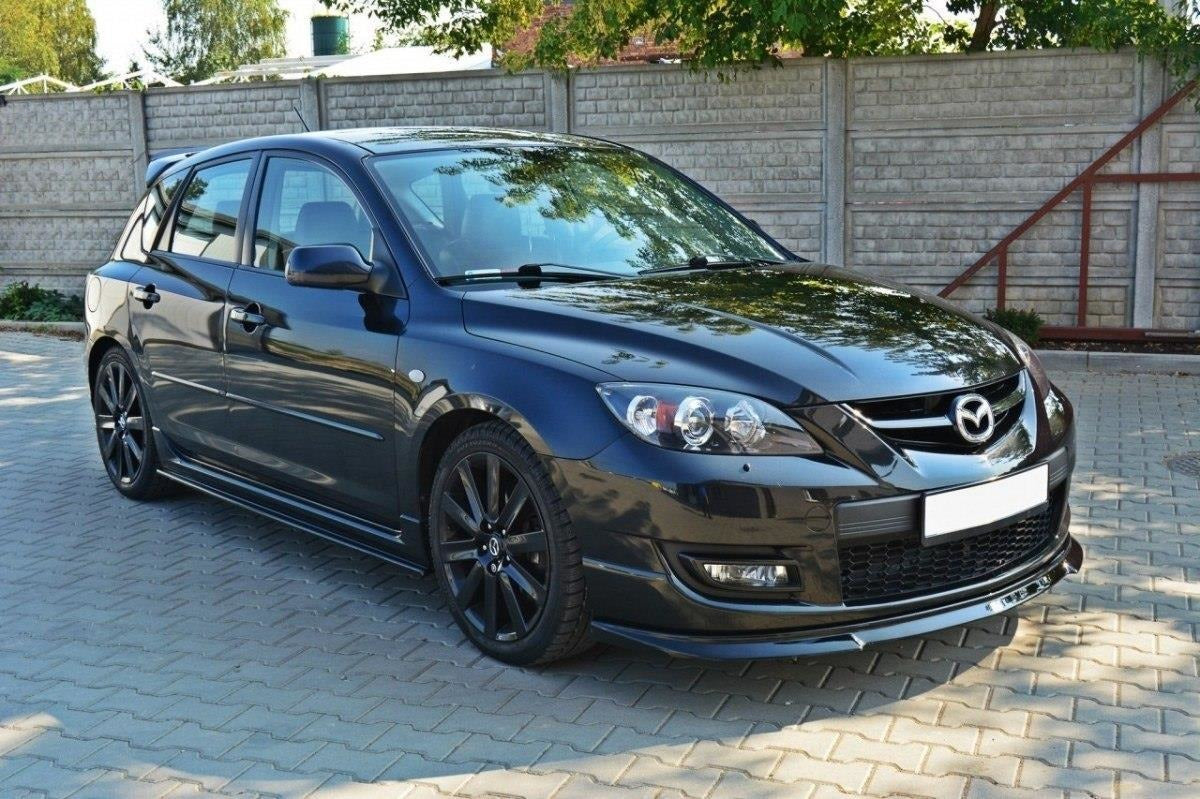
The VW Golf GTI is a good example of this working beautifully. The Mk8 is a precise, tightly styled machine. Mount a set of smoked acrylic visors and the geometry barely changes; they integrate with the door line instead of fighting it. Same story for the Mazda 3 sedan, the Honda Civic and other cars that reward understated upgrades.
Increased Utility for 4x4s, Utes and Work Vans
Shift context entirely. Put the same product category on a dual-cab ute, a 4WD or a work van and the conversation is no longer about aesthetics. It's about functionality, specifically the kind that earns its keep on job sites, dusty tracks and long highway runs where the alternative is choosing between a hot, airless cabin and a face full of road debris.
For a tradie parked up in summer, a cracked window with a visor means passive ventilation through the middle of the day without rain coming in overnight. For a 4WD heading through corrugated outback roads, it means dust management; the ability to move air through the cabin without the fine red stuff that coats absolutely everything in Central Australia finding its way inside.
The utility argument is simple: weather shields let you crack your windows in conditions where you'd otherwise have to keep them shut. In a country with Australia's climate extremes, that's not a small thing.
How to Install Weather Shields in 5 Easy Steps
The answer for almost all modern acrylic weather shields is tape, patience and twenty minutes.
- Clean the door frame channel thoroughly with isopropyl alcohol. Any contamination (grease, wax or dust) will compromise adhesion.
- Test-fit each visor without removing the backing tape. Confirm alignment against the window channel before committing.
- Remove the tape backing gradually, pressing the visor firmly and evenly along its length from front to rear.
- Apply firm pressure for 30 to 60 seconds along the full length of the adhesive contact surface.
- Leave the car unwashed for at least 24 hours (ideally 48) to allow the automotive-grade adhesive to cure fully.
Shop the AusBody Works Weather Shield Collection
AusBody Works stocks precision-fit smoked acrylic window visors for a range of performance and everyday vehicles.
- Euro Performance: VW Golf GTI & R Mk8 / Mk8.5 Window Visors (2021–2025) and Mk7 / Mk7.5 variants. Understated, OEM-style fit.
- JDM Machines: Custom-fit options for Honda Civic X Sedan (2016–2020), Mazda 3 Sedan (BL and BM generations) and Mitsubishi Lancer / EVO 8.
Frequently Asked Questions
Are weather shields worth it?
Yes, without qualification. The ability to ventilate your car in rain, reduce wind noise, drop cabin temperatures and protect interior trim makes them one of the higher-return accessories you can buy.
What's the difference between weather shields and window visors?
They are the same product. Weather shields, window visors, rain guards and wind deflectors are all names for the same door-mounted acrylic deflector.
Will weather shields affect my car's appearance?
Quality smoked acrylic visors are designed to integrate with the car's profile. On performance cars, a well-fitted tinted visor is barely noticeable and often looks like part of the original door design.
Do weather shields reduce wind noise?
Significantly. Deflecting the airflow overhead rather than letting it rush in through a partially open window dramatically reduces cabin turbulence at speed.
A Noticeably Better Driving Experience
Weather shields won't add horsepower or drop your lap times. What they will do is make every single drive more comfortable. Practical, durable and low-profile.
Browse the full AusBody Works weather shields range and find the set for your car.