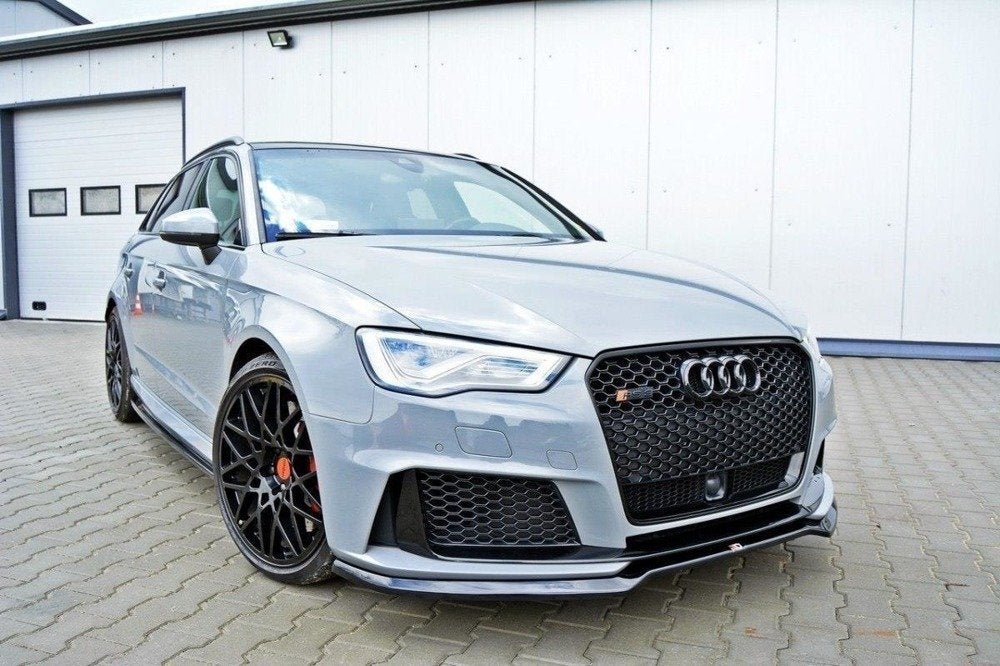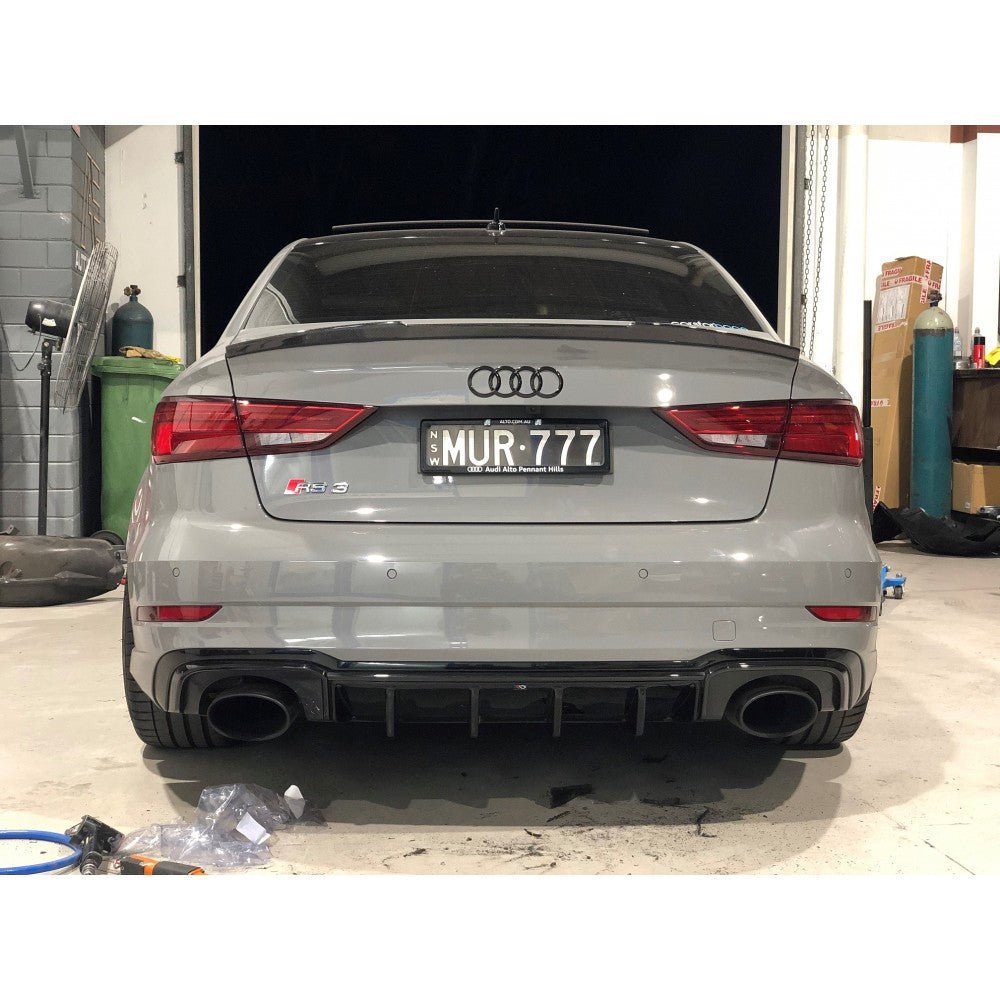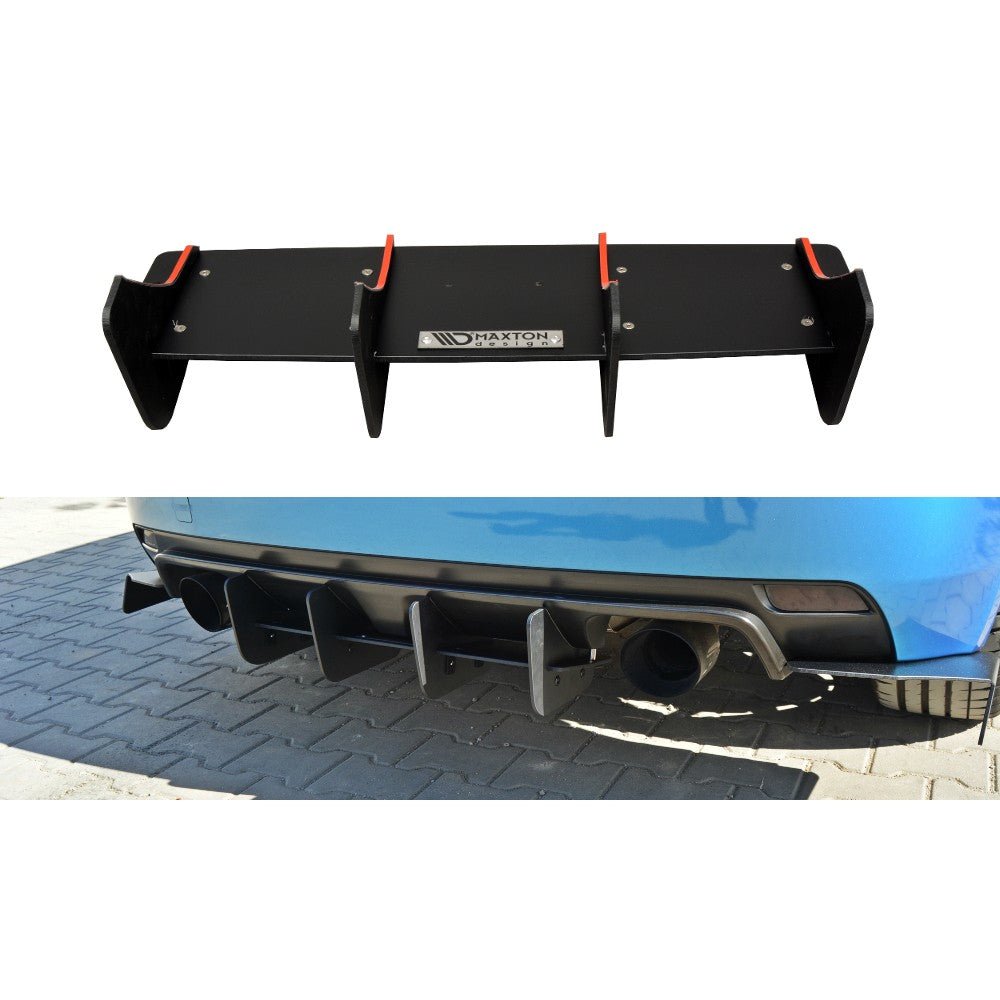
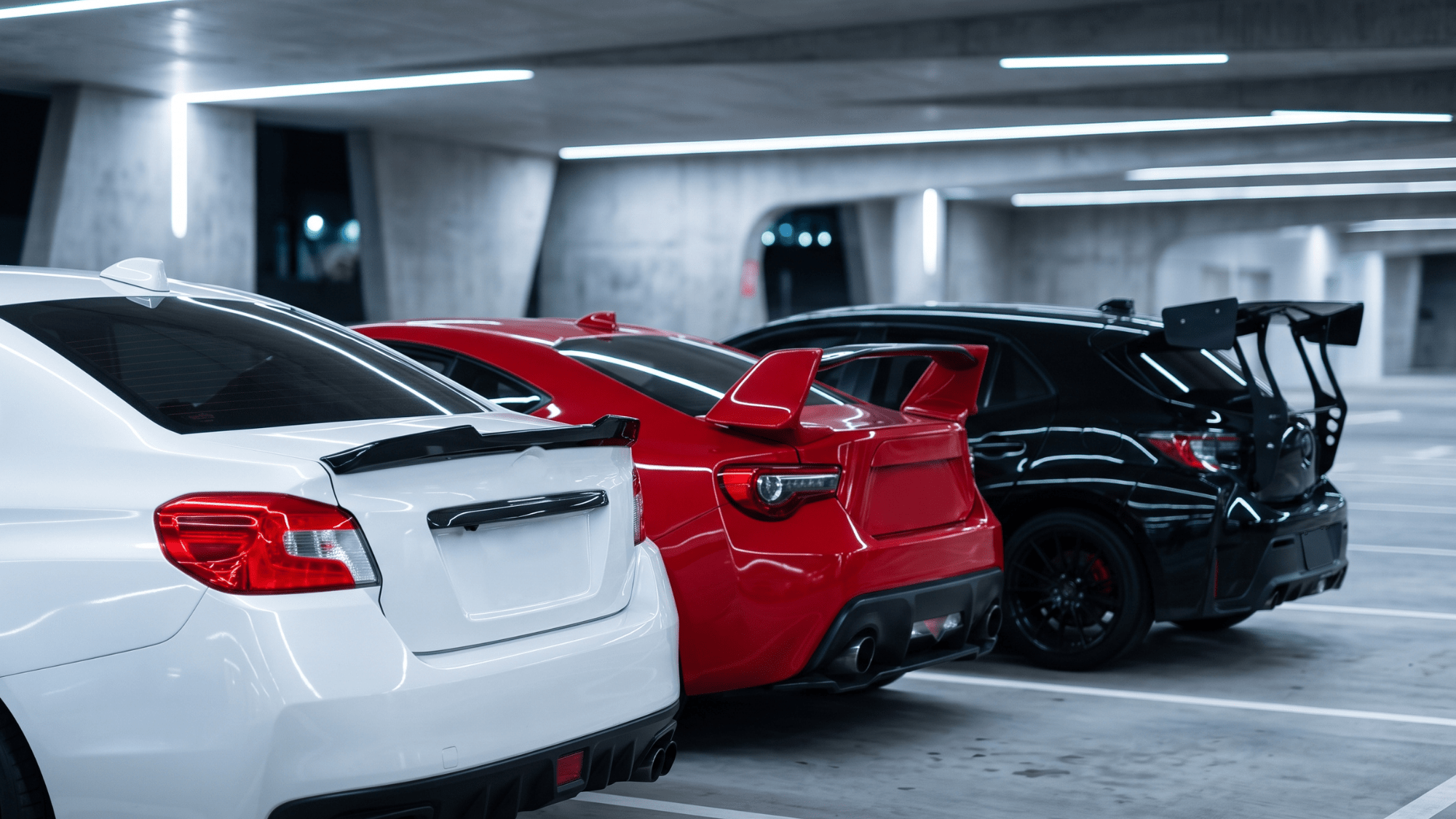
A car spoiler is an aerodynamic panel fitted to the boot, roof or rear of a vehicle to disrupt airflow and reduce lift. Less lift means more tyre contact and better high speed stability. Most street spoilers are styling first, aerodynamics second.
That last line is the bit nobody wants to hear. Walk into any car meet in Sydney and you will find three blokes arguing the spoiler vs wing question, usually at volume, usually with no agreement. So here's the honest version. Lip, ducktail and wing all do different jobs, they suit different builds, and picking the wrong one is how a clean car ends up looking like a parts catalogue.
This guide covers what each aftermarket spoiler actually does so you can buy once.
What Is A Car Spoiler And What Does It Actually Do?
At speed, air moving over your car creates lift. Lift takes weight off the tyres. Less weight on the tyres means less grip. And less grip at 100km/h on the M5 isn't a theoretical problem.
A spoiler interrupts that airflow. It "spoils" the clean air rolling off the roof and down the boot, building a small high pressure zone that cancels out lift. That's the whole job.
A well designed spoiler virtually eliminates lift without adding drag, but it won't necessarily generate downforce. Downforce is a wing's job. But we'll get to that.
At What Speed Does A Car Spoiler Start Working?
Barely at all around town. Aerodynamic effects scale with the square of speed, so a spoiler that does nothing measurable in a Woolies car park starts earning its keep at highway speeds and above. On a road car the real benefit shows up as stability on long fast sweepers and less nervousness in crosswinds.
If someone tells you a boot lip will drop your quarter mile time, they're selling you something.
Does A Spoiler Add Power?
No. A spoiler doesn't touch your engine. What it can do is help the power you already have reach the road, by keeping the rear axle planted. That's a handling gain, not a horsepower gain.
Lip Spoilers Are The Subtlest Way To Add Aero

A lip spoiler is a low profile blade that bonds or bolts to the trailing edge of the boot lid. It follows the factory body line rather than fighting it. Sometimes it's called a boot lip spoiler, a spoiler cap or a duck lip spoiler depending on who's talking.
This is the OEM+ pick. If your build is about clean lines and correct stance, the lip is almost always the right call.
A lip spoiler suits you if:
-
You daily the car and want it to look factory optional
-
Your rear end is already busy with a diffuser or exhaust and you do not want more noise
-
You're running a front splitter or front lips and want the rear to match the restraint
-
You want the smallest possible change that still reads as intentional
Fitment matters more here than anywhere else. A lip sits directly in your eyeline at the back of the car, so a 2mm gap along the boot edge is visible from ten metres away. This is exactly where universal parts fall apart.
A Ducktail Spoiler Is The Middle Ground Between Lip And Wing

A ducktail spoiler is a lip that kicks up sharply at the trailing edge, creating a raised tear off point instead of a flat blade. More presence than a lip. Nothing like a wing.
The shape isn't a styling accident. Porsche engineers Hermann Burst and Tilman Brodbeck developed it in 1972 to fix genuine rear axle lift on the 911 Carrera RS 2.7, and Porsche's own records note that top speed actually rose by 4.5km/h with no increase in drag. The patent was filed on 5 August 1972. The press nicknamed it the duck tail and the name stuck for fifty years.
That history is why a ducktail still carries weight. It's one of the few aero parts on a street car that started life as an engineering fix rather than a fashion item.
A ducktail spoiler suits you if:
-
You want the rear to have some attitude without going full motorsport
-
Your car has a short, high boot line, which is where the shape sits best
-
You like the retro tuning look and want the silhouette to do the talking
Ducktails are polarising on the wrong car. On a low, long sedan boot they can look bolted on. On a coupe or a hot hatch with a compact rear deck they look like they came from the factory that way.
Spoiler vs Wing: The Real Difference Explained

A spoiler sits flush to the bodywork and blocks airflow. A wing sits above the bodywork on pedestals so air can flow underneath it.
That gap is everything. Air moving faster under the blade than over it creates a pressure difference, and that pressure difference is what generates real downforce. A spoiler can't do that because there's nowhere for the air to go.
The trade off is drag. Wings make more downforce and more drag. Spoilers make less of both.
Spoiler vs Wing Comparison Table
|
Lip or Ducktail Spoiler |
Rear Wing (GT Wing) |
|
|
Primary function |
Disrupts airflow to reduce lift |
Generates active downforce |
|
How it mounts |
Sits flush against the boot lid |
Raised on pedestals with airflow underneath |
|
Effect on drag |
Little to none when well designed |
Increases drag, that is the trade off |
|
Adjustability |
Fixed angle |
Often adjustable angle of attack |
|
Rear visibility |
Effectively unchanged |
Can sit in the rear window line |
|
Best for |
Daily drivers, OEM+ and street builds |
Track days, time attack, high speed circuit work |
|
Look |
Subtle and factory correct |
Loud and unmistakably motorsport |
|
Compliance risk in AU |
Low |
Higher, check size and edge requirements |
So Which One Do You Actually Need?
If your car never sees a circuit, a wing is costing you drag and fuel for a look. That's a completely valid reason to buy one, just be honest that it's the reason.
If you do run track days, a properly designed wing earns its place. If you want the car to look sharp on a Saturday morning and quiet on a Monday commute, take the lip or the ducktail.
How To Choose The Right Car Spoiler For Your Build
Match The Material To The Job
-
ABS plastic. tough, paintable, holds shape in the Australian sun. The sensible daily driver choice.
-
Polyurethane. flexible and impact resistant. Forgives a driveway scrape.
-
Genuine carbon fibre. light, stiff, expensive. Worth it when the weave is exposed and the rest of the build supports it.
-
Cheap fibreglass. brittle, warps, cracks at the mounting points. Skip it.
You can buy a cheap spoiler twice or a good one once.
Refuse Universal Parts
Universal means it fits nothing properly. Universal spoilers arrive with a straight base against a curved boot, which means heat guns, packers, drilled holes and a gap you will notice every single time you walk up to the car.
Everything we stock is model specific and 3D scanned, including the full Maxton Design range we supply into Australia. If you would rather not fit it yourself, professional installation is available.
Think About The Whole Car
A rear spoiler changes the aero balance front to rear. Adding grip at the back without addressing the front can make a car feel lazy on turn in. If you are planning a full kit, plan the front and rear together rather than bolting on whatever arrives first. Our guide on what's the point of a rear spoiler goes deeper on that balance.
Are Aftermarket Spoilers Legal In Australia?
Generally yes, with conditions. Rules sit with each state and territory rather than one national code, and the recurring themes are protrusion, sharp edges and rear visibility. A spoiler that extends beyond the widest point of the body or creates an edge that could injure a pedestrian is where you run into trouble.
NSW owners should read VSI 06 before buying anything tall. Everyone else should check their own state's requirements or talk to an engineer before committing. We have broken the state by state picture down in our guide to legal car mods in Australia.
Lip and ducktail spoilers rarely cause issues. Large GT wings are where questions get asked.
Car Spoiler FAQs
What does a spoiler do on a car?
A spoiler disrupts airflow travelling over the rear of the car, creating a small high pressure zone that reduces aerodynamic lift. Less lift means the tyres stay loaded and the car feels more stable at speed.
What is the difference between a spoiler and a wing?
A spoiler mounts flush to the bodywork and reduces lift. A wing mounts on pedestals with a gap underneath, so air flowing under the blade generates genuine downforce. Wings make more downforce and more drag.
Is a ducktail spoiler worth it?
Yes, if you want visible presence without a full wing. The original Porsche ducktail reduced rear lift and slightly raised top speed, and modern versions carry the same shape. On a street car the main return is the look, not lap times.
What is the difference between a duckbill spoiler and a wing spoiler?
A duckbill or ducktail spoiler is a raised lip that stays attached to the boot lid. A wing spoiler is a separate blade lifted clear of the boot on pedestals. The duckbill reduces lift, the wing creates downforce.
At what speed do car spoilers work?
Aerodynamic effect scales with the square of speed, so spoilers do very little below suburban speeds. Meaningful stability gains appear at highway speeds and grow from there.
Does a spoiler increase horsepower?
No. A spoiler has no effect on engine output. It can improve traction and stability, which helps you use the power you already have.
Why is it called a spoiler?
Because it spoils the airflow. The part deliberately breaks up the clean air rolling off the roof and boot to stop lift building at the rear axle.
Are aftermarket spoilers legal in Australia?
Usually, but rules vary by state. Protrusion beyond the body, sharp edges and blocked rear visibility are the common fail points. Check your state's requirements before buying a large wing.
Get It Right The First Time
The wrong spoiler is obvious from across a car park. The right one looks like the manufacturer meant it.
Every part we stock is model specific, 3D scanned and sitting in our Sydney warehouse, so you are not waiting six weeks for something that might not line up. Browse the full range of car spoilers and find the one that suits your build.