![What Car Mods Are Legal in Australia? A Complete Guide [2026]](http://www.ausbodyworks.com.au/cdn/shop/articles/legal_car_mods_australia_ausbody_works_sydney.jpg?v=1769751208&width=1477)
So you've just picked up a new ride or you're finally ready to take your daily driver to the next level. You're looking at body kits, lowered suspension and a set of wheels that'll make heads turn. But before you start stripping parts in the garage, there's one big question you need to answer: What car mods are legal in Australia?
Australia has some of the strictest vehicle standards in the world. While we love our car culture, the authorities and your insurance company have a very specific set of rules about what you can and can't do to your vehicle. As of February 2025, these regulations have seen a significant national alignment to standardise enforcement across all states. This means staying informed is more critical than ever to avoid heavy fines or having your car taken off the road.
At AusBody Works, we're all about helping you achieve that perfect look. But we also want you to stay on the right side of the law and avoid the dreaded defect notice. Here's everything you need to know about staying legal while modding your car in 2026.
Are Car Mods Legal in Australia?
Yes, car mods are legal in Australia provided they comply with the Australian Design Rules (ADR) and your specific state's vehicle standards.
The ADRs are a national set of requirements for vehicle safety, emissions and anti-theft. Most minor modifications that don't affect the structural integrity or safety systems of the car are perfectly fine. However, "major" modifications like engine swaps or significant suspension changes often require an engineering certificate. These are sometimes called a Blue Plate, VASS or VSCCS certificate depending on where you're located.
The Basics: Australian Design Rules (ADR)
Before diving into specific parts, it's important to understand the framework. All vehicles in Australia must comply with the ADRs. These are national standards that ensure every car on the road meets a baseline for safety.
When you modify a car, you've got to ensure it still meets these standards:
-
Minor Mods: Usually don't need formal approval (e.g. bolt-on body kits).
-
Major Mods: Require professional certification (e.g. turbo conversions or chassis work).
What Legal Mods Can I Do to My Car?
There are plenty of ways to customise your car without getting a "yellow sticker". Here are the most common legal modifications and the rules surrounding them.
1. Body Kits and Aerodynamics
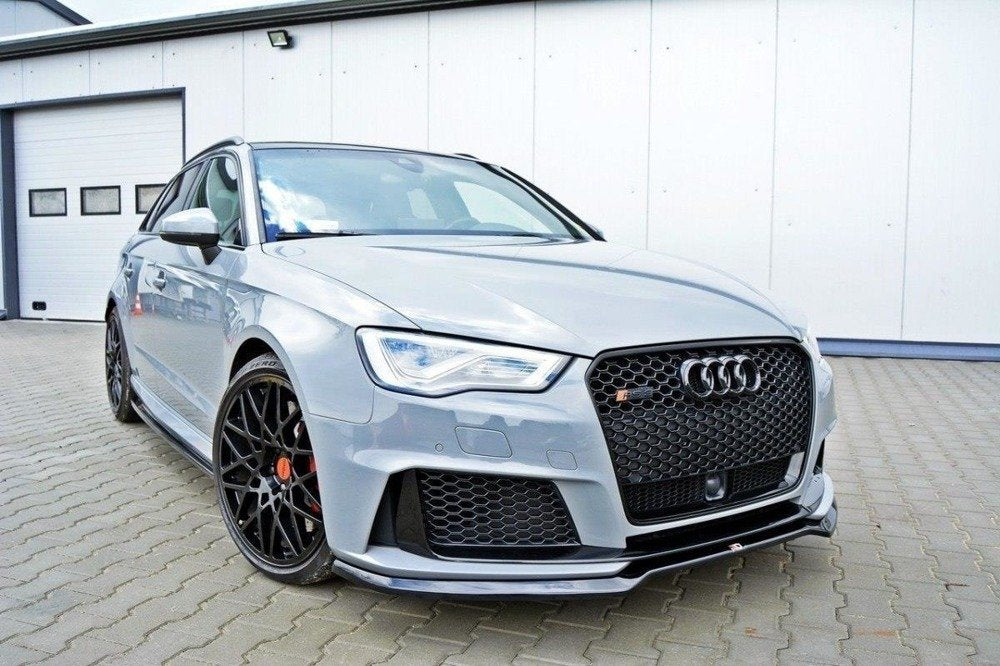
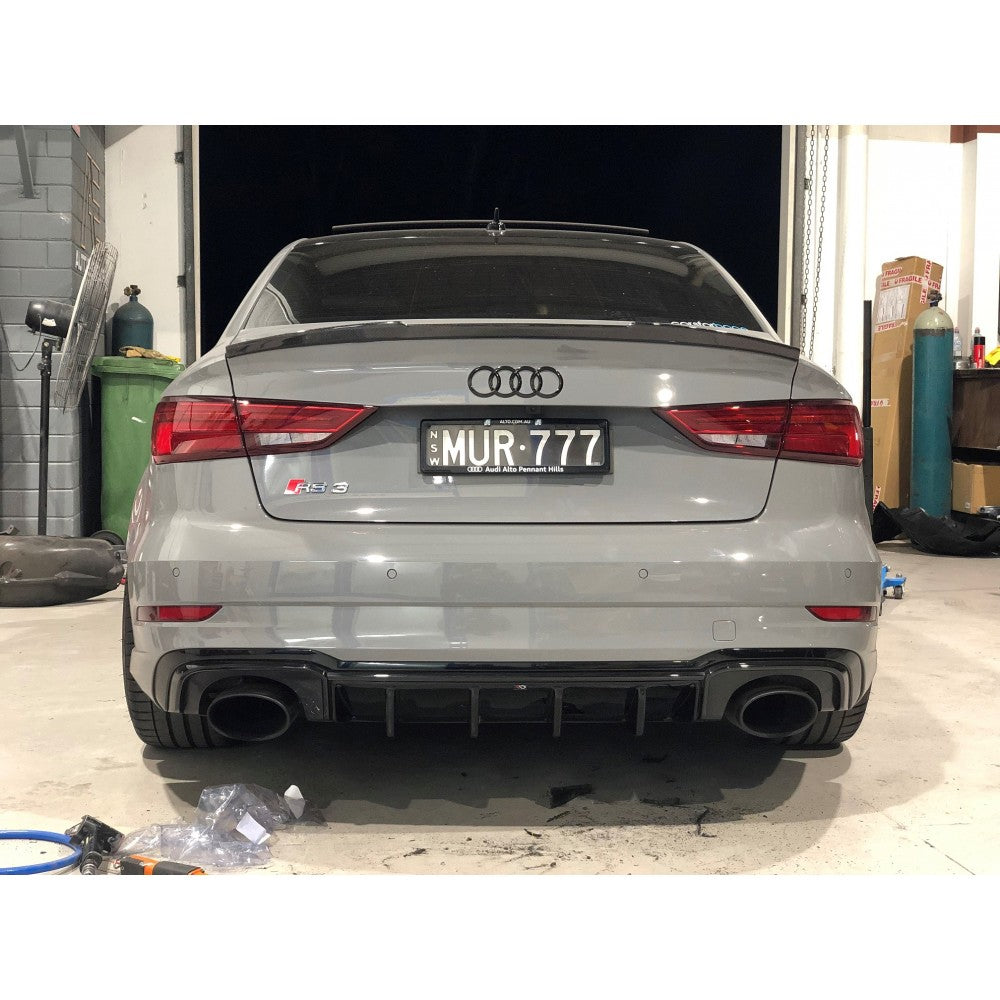
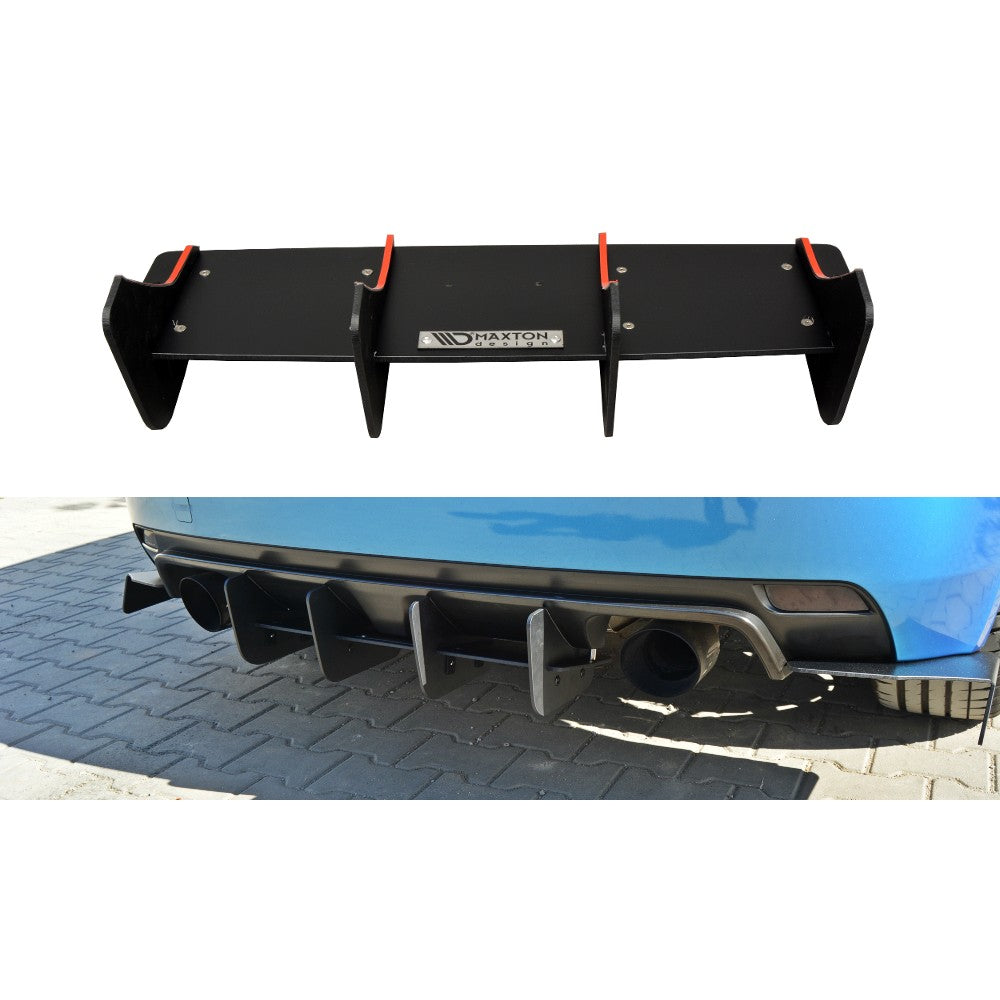
Most cosmetic upgrades like front splitters, side skirts and rear diffusers are perfectly legal if they follow these guidelines:
-
No Sharp Edges: Parts must not have protrusions that could increase the risk of injury to pedestrians.
-
Ground Clearance: In most states, no part of the bodywork (other than wheels and tyres) can be lower than 100mm from the ground.
-
Airflow and Lighting: Your kit can't block your headlights, indicators or the cooling airflow to your brakes or engine.
2. Suspension and Ride Height
Lowering your car is the fastest way to improve its stance, but there are limits:
-
The 50mm Rule: Generally, you can raise or lower your vehicle by up to 50mm without needing an engineer's report.
-
Coilovers: Most adjustable coilovers are legal if they're securely mounted and don't allow the car to sit lower than the legal limit.
3. Wheels and Tyres
Upgrading your alloys is a staple mod. However, you need to watch the track width:
-
Width: You generally can't increase the wheel width by more than 25mm over the largest optional wheel offered by the manufacturer for that model.
-
Fender Poke: Your tyres must stay within the bodywork of the car. If they poke out past the guards, you're looking at an immediate defect notice.
4. Window Tinting
-
Front Windows: Most states require a Minimum Visible Light Transmission (VLT) of 35%.
-
Windscreen: Usually, no tint is allowed on the windscreen except for a sun strip at the very top.
State-by-State Breakdown: Navigating the Regulations
While the ADRs provide a national baseline, each state has its own Vehicle Standards Information (VSI) sheets that interpret these rules.
|
State |
Primary Authority |
Key Document |
|
NSW |
Transport for NSW |
VSI 06 (Light Vehicle Mods) |
|
VIC |
Transport Victoria |
VSI 8 (Guide to Modifications) |
|
QLD |
Dept. of Transport & Main Roads |
QLD Road Vehicle Modification Handbook |
|
WA |
Dept. of Transport |
IB-102 (Vehicle Mods) |
New South Wales (NSW)
NSW is famously strict. If you change your suspension height by more than 50mm through a combination of tyre and suspension changes, you'll likely need a VSCCS certificate.
Victoria (VIC)
VicRoads follows the National Code of Practice (NCOP) closely. They're generally reasonable with cosmetic mods but have a zero-tolerance policy for stretching tyres onto wide rims.
What Car Mods Do I Need to Declare?
It's not just the police you need to worry about because your insurance provider also needs to know. In Australia, you've got a duty of disclosure. If you don't declare your mods, your insurer could refuse a claim.
You must declare:
-
Performance Mods: ECU re-flashes, turbo upgrades and aftermarket exhausts.
-
Cosmetic Changes: Even simple things like window tint, custom paint and new alloys.
-
Suspension: Any lowering or lift kits.
What are Some Illegal Mods?
Some mods are red flags for highway patrol and will almost certainly lead to a failed roadworthy inspection.
-
Under-body Neon Lighting: Generally illegal for road use in Australia.
-
Extreme Camber: Stanced cars with extreme negative camber are illegal because they reduce the tyre’s contact patch and compromise safety.
-
Straight-Pipe Exhausts: Removing your catalytic converter or muffler is illegal. The legal limit for most passenger cars is usually 90 decibels, but your car's specific VIN plate limit always takes precedence.
-
Tyre Stretching: Fitting a tyre that's significantly narrower than the rim width is considered unsafe and illegal.
FAQs: What Car Mods Are Legal in Australia?
Are aftermarket steering wheels legal?
In most modern cars equipped with airbags, it's illegal to swap to a non-airbag steering wheel. If your car didn't come with an airbag originally, you can swap it, provided the wheel meets ADR standards for diameter and padding.
Are LED headlight conversions legal?
Technically, most plug-and-play LED or HID kits are illegal if the housing wasn't designed for them. High-intensity lights usually require auto-levelling and washer systems to be ADR compliant.
Can I install a blow-off valve?
Atmospheric blow-off valves that make the pssh sound are technically illegal in most states because they vent oily air into the atmosphere. Recirculating valves are generally legal.
The Verdict
Staying legal doesn't mean your car's got to stay stock. By choosing high-quality parts like the ABS plastic body kits we stock at AusBody Works, you can ensure your car looks incredible without drawing the wrong kind of attention from the law.
Always check your local state's VSI guides before starting a major project and when in doubt, consult a certified engineer.
Ready to start your build? Check out our range of legal, high-quality body kits and accessories today!