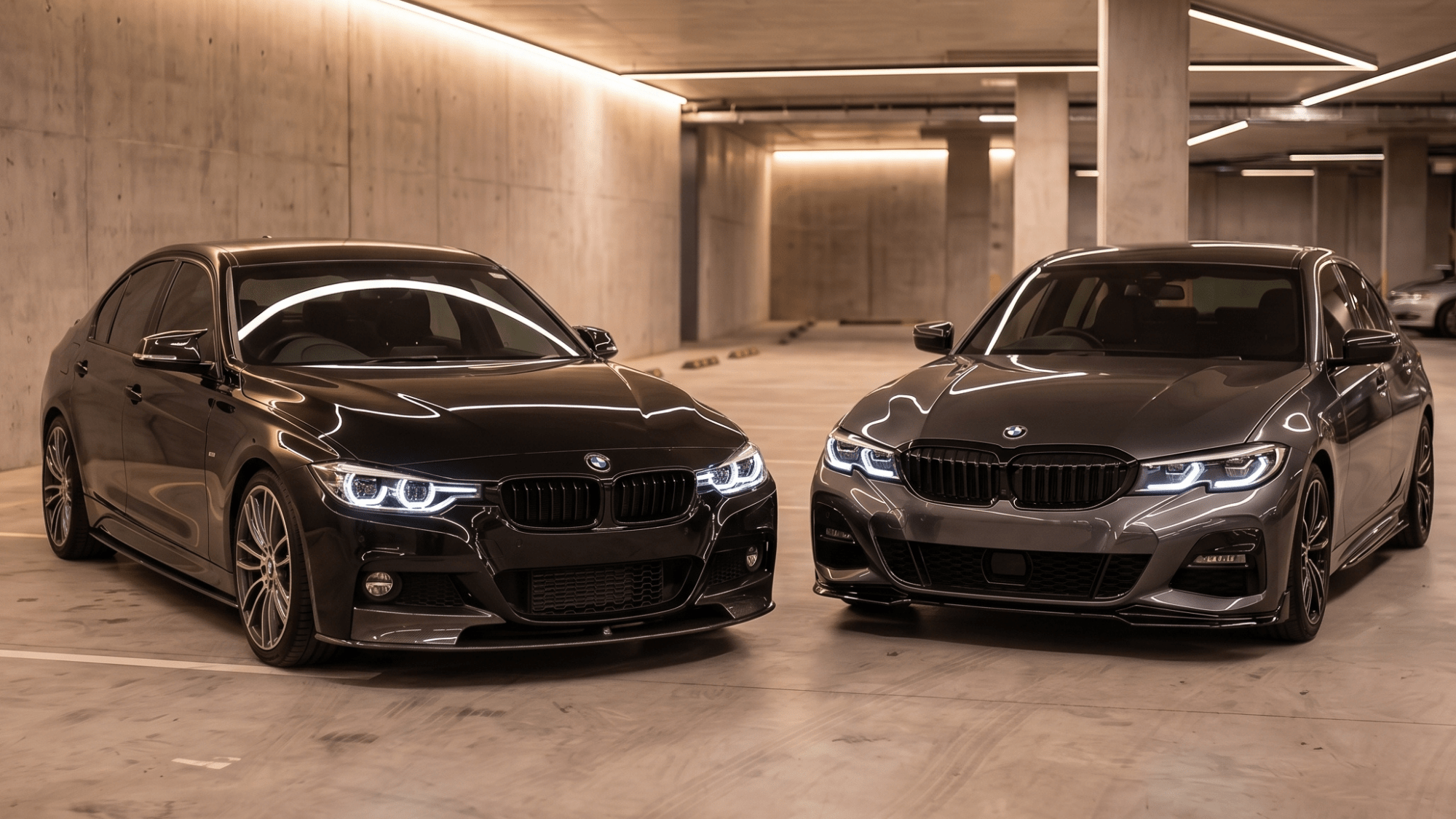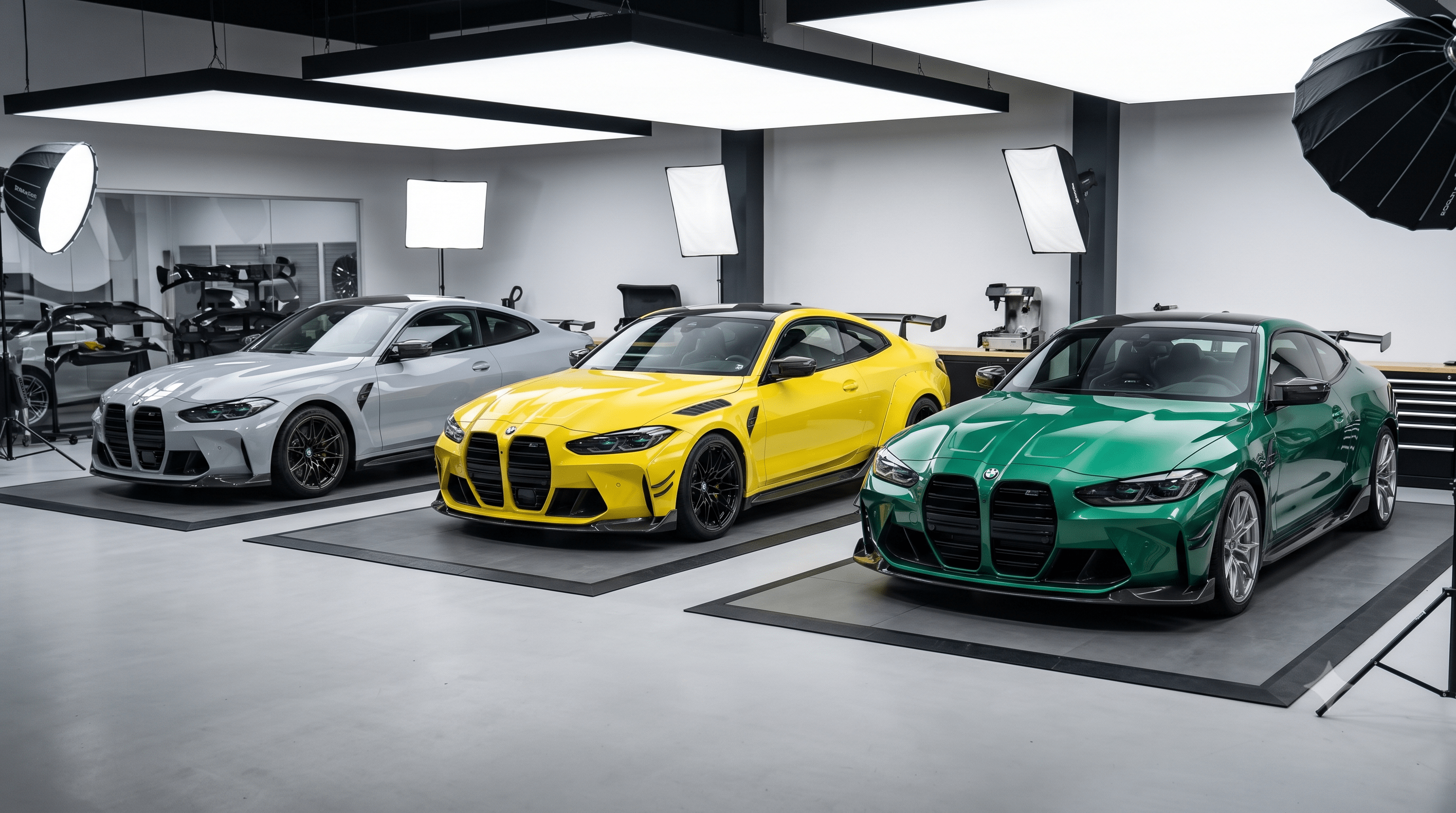
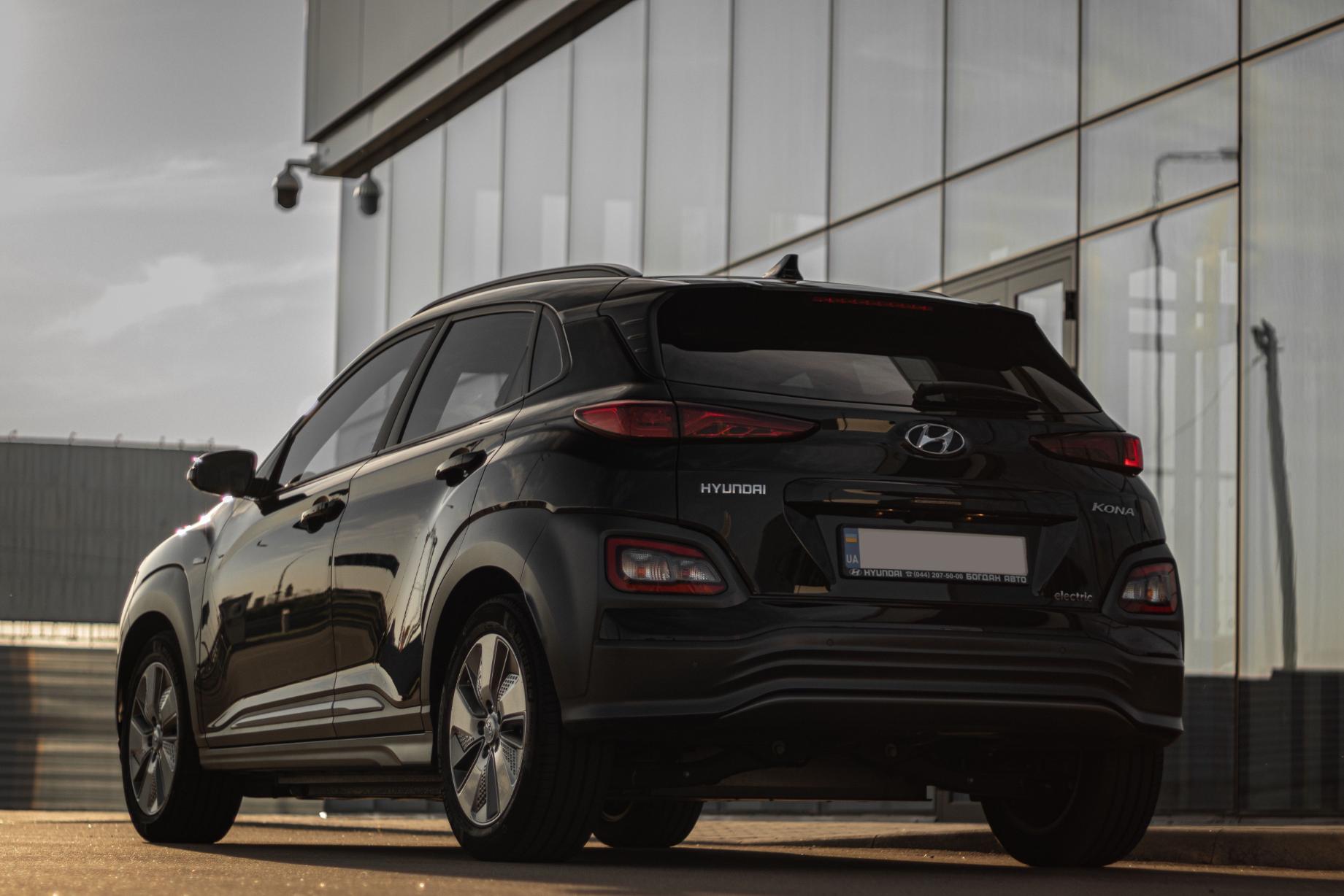
You park at the local Woolies, grab your trolley and head back to the car. There it is two bays over. Same make, same colour, same everything as yours. Your daily looks sharp. It also looks like every second car in the lot.
A car body kit is how you fix that. The right kit reshapes your car's stance, sharpens its lines and gives it presence, all without touching the engine. Fit a good one and it can also tidy up airflow and add a little downforce at speed.
Body kits have gone from niche to mainstream. Cars are an extension of personality now, and the customisation scene keeps growing every year. The catch is simple: a bad kit looks worse than stock, so the choice actually matters.
This guide breaks down what a car body kit is, the main types, the materials, what it costs in Australia, the legal side and how to get the fitment right. Let's get into it.
Key Takeaways
Short on time? Here is the quick version before we dig in:
-
A car body kit is a set of bolt-on or replacement exterior parts (front splitters, side skirts, rear diffusers, spoilers and sometimes full bumpers) that change how your car looks and, in some cases, how it cuts through the air.
-
The four common categories are lip kits, full body kits, wide body kits and aero kits. Your pick depends on whether you want a subtle lift or a full transformation.
-
Material matters. ABS and polyurethane suit daily drivers, fibreglass suits show builds and carbon fibre is the lightweight premium option.
-
In Australia, body kits are legal when they meet the National Code of Practice (VSB 14) and your state's rules. Ground clearance is the usual sticking point.
-
Fitment is everything. A model-specific, 3D-scanned kit bolts up clean. Universal kits usually need cutting, heat and filler to sit right.

What Is a Car Body Kit?
A car body kit is a collection of aftermarket exterior panels and parts that change the look of your car, and sometimes its aerodynamics, without altering the mechanicals.
Most kits are made up of some mix of front lips and splitters, side skirts, rear diffusers and spoilers, plus replacement bumpers on bigger kits. Some are a single piece. Others are a full nose-to-tail package designed to work as one.
The job of a body kit is twofold. The obvious one is style. The kit gives your car a lower, wider, more aggressive look that separates it from the showroom version. The second is function. Parts like splitters and diffusers manage airflow, which can reduce lift and improve stability when you are moving quickly.
You can build a kit piece by piece or buy a matched set. Either way the goal is the same: a finish that looks like it could have rolled off the factory floor, just meaner.
Types of Car Body Kits
Not every car body kit does the same job. Here are the four you will come across most, running from mild to wild.
Lip Kits and Front Splitters
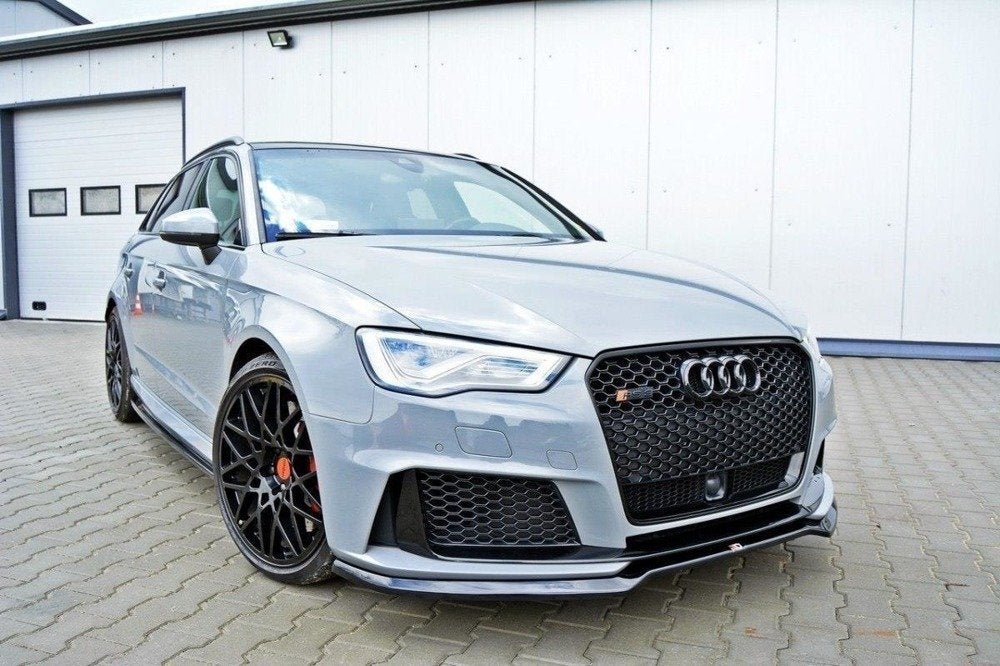
Want a sharper look without going all in? A lip kit is the place to start. It bolts onto your existing bumpers and panels, accentuating your car's lines rather than replacing them.
Lip kits are the most popular entry point for good reason. They are the cheapest option, the easiest to fit and the lowest risk. A front splitter on its own can change the entire front-end attitude of a daily driver. Browse our front lips and splitters to see what suits your model.
Full Body Kits
A full body kit is the whole package. Think replacement front and rear bumpers, side skirts and sometimes bonnet and boot pieces, all designed to fit together.
Because the parts are made to match, you get a planned, cohesive look instead of a pieced-together one. A full body kit is the move if you want a proper transformation and you have the budget for it. Expect a higher price and, usually, professional fitting.
Wide Body Kits
A wide body kit makes a statement you can spot from across the carpark. These kits extend the fenders and quarter panels to give your car a broader, planted stance.
Beyond the look, the extra width lets you run wider wheels and tyres for more grip. The trade-off is commitment. Most widebody kits need cutting, modification of factory panels and a skilled installer, so they are not a beginner's weekend job.
Aero Kits
An aero kit is built for the function-first crowd. The focus is airflow, with splitters, canards, diffusers and wings that cut lift and add downforce.
Track-day drivers love them because the gains are real at speed. The styling tends to follow the function, so an aero kit reads as purposeful rather than flashy. If you want to know how much difference these parts actually make, our breakdown of whether body kits improve performance digs into the detail.

Car Body Kit Materials Explained
The material your kit is made from affects price, weight, durability and how it handles a scraped driveway. Here is the quick version.
-
ABS plastic: the daily-driver favourite. It is light, flexible and forgiving, so it shrugs off minor knocks and kerb scrapes. Easy to paint and easy to repair.
-
Polyurethane: the tough all-rounder. It sits between rigid fibreglass and flexible ABS, takes road debris well and lasts. A smart pick for front lips and side skirts that cop the most abuse.
-
Fibreglass: the show-build option. It moulds into complex shapes for unique designs and gives a rigid, premium finish. The downside is it cracks on a hard hit rather than flexing.
-
Carbon fibre: the premium, lightweight choice. The best strength-to-weight option going, with that unmistakable weave. It carries the highest price and is the least forgiving in a prang.
Whatever the material, fitment beats everything. A kit that is 3D-scanned for your exact model bolts up flush. That is the difference between a finish that looks factory and one that looks bodged.
Do Car Body Kits Improve Performance?
A well-designed car body kit can improve performance. But only the aerodynamic parts do real work, and mostly at higher speeds.
When your car moves it pushes through air and creates pressure zones that affect grip and stability. Aero parts manage that air. Here’s what each one does:
-
Front splitters stop air sliding under the nose, which cuts front-end lift and steadies the car at speed.
-
Side skirts control airflow along the flanks and stop turbulence sneaking underneath.
-
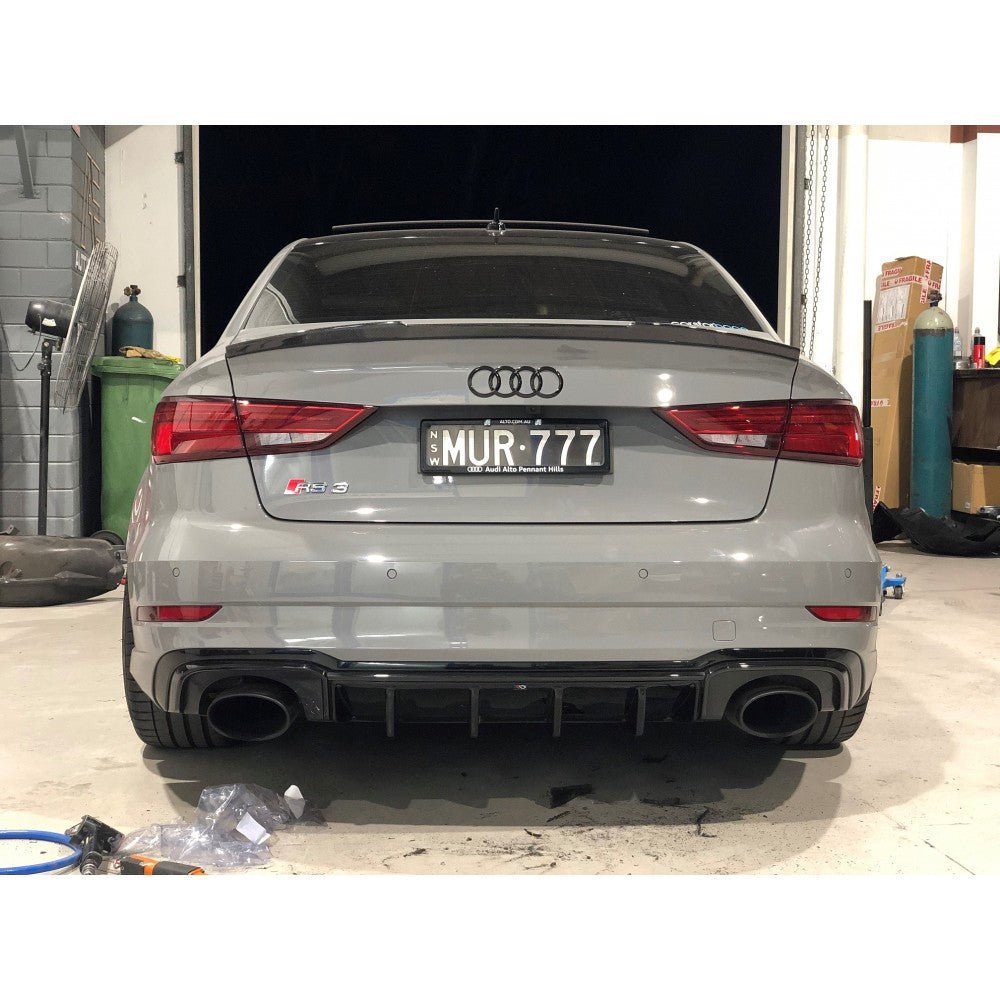
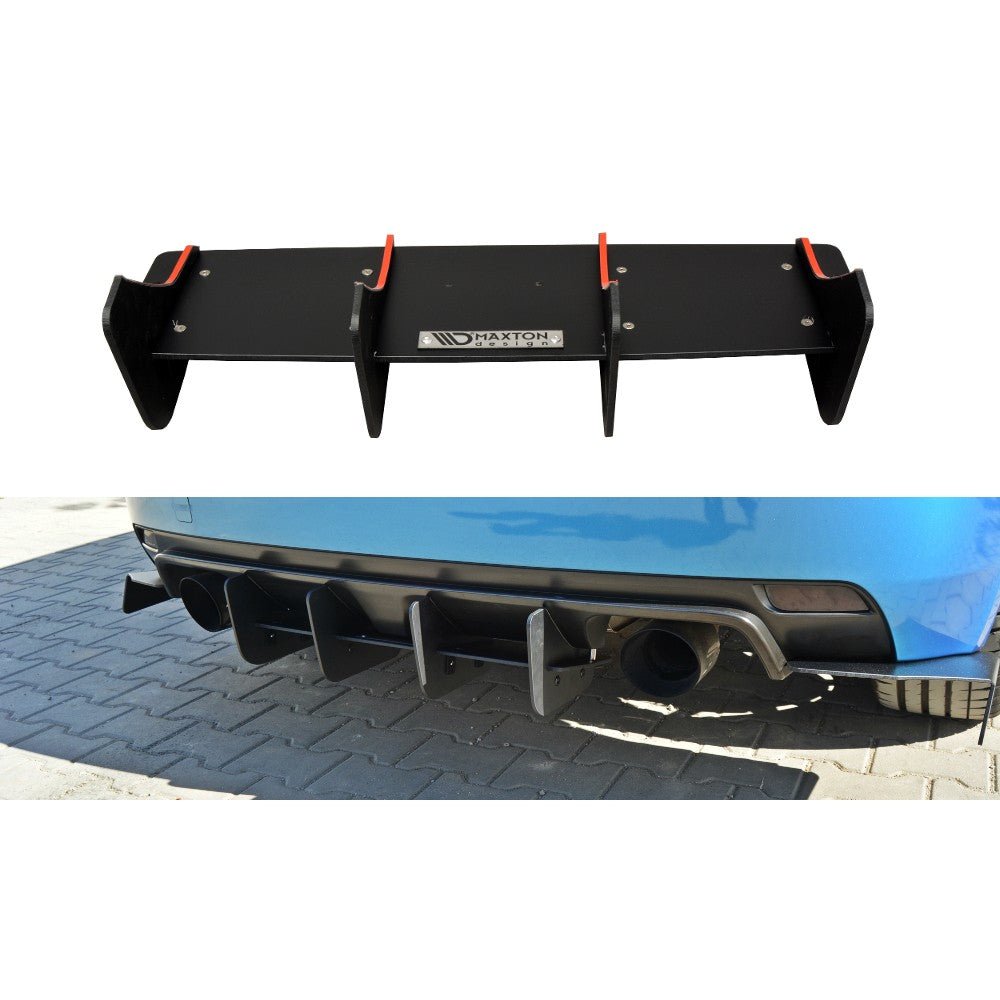
Rear diffusers speed up the air leaving the underside, creating a slight vacuum that helps plant the rear.
-
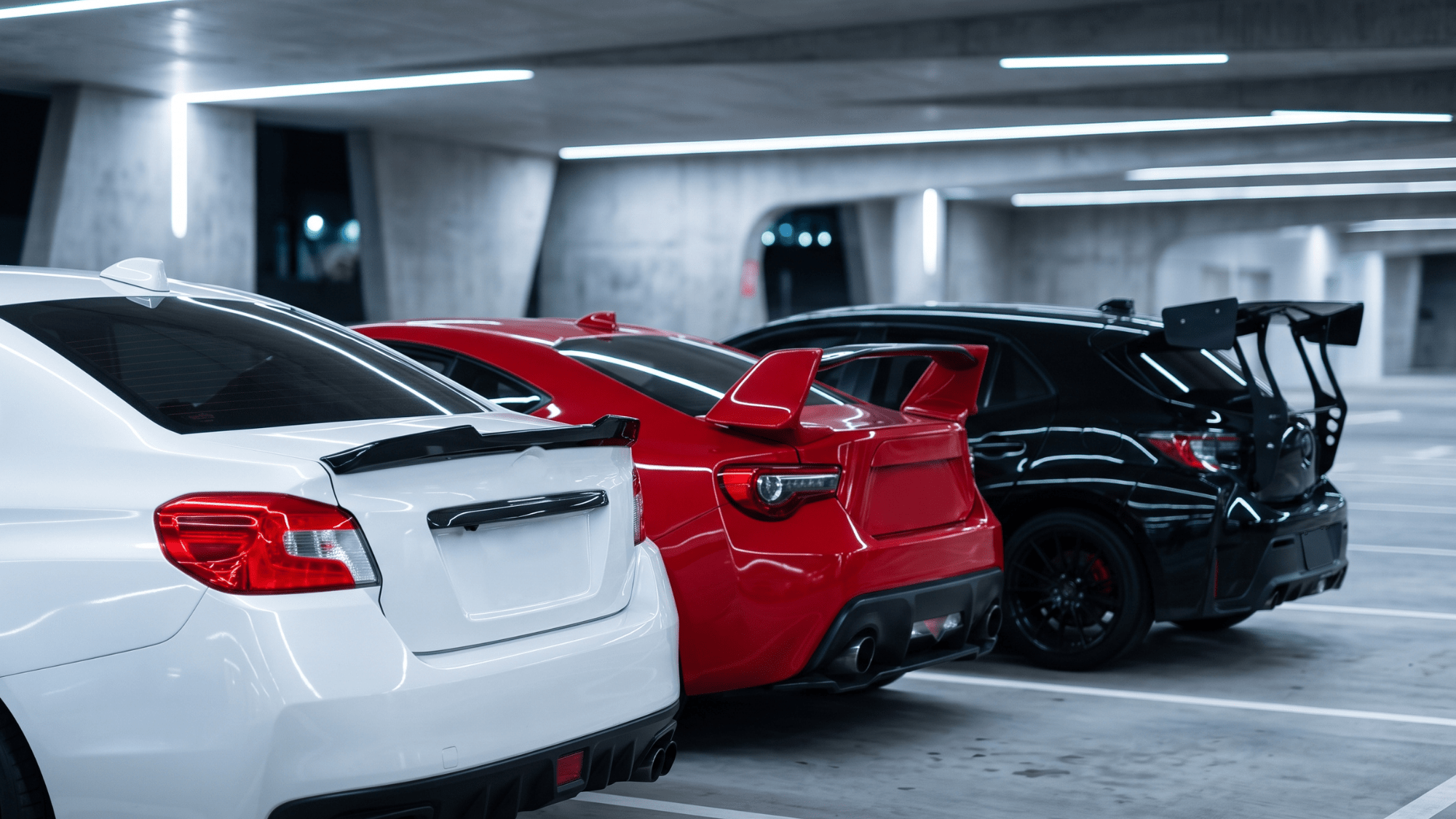
Wings and spoilers add downforce over the rear wheels for better traction and braking stability.
Real talk: plenty of kits are built for looks, not lap times. For street driving that is perfectly fine. If you’re chasing genuine track gains, choose functional parts and check the design, because a poorly shaped wing adds drag without giving you the downforce.
How Much Does a Car Body Kit Cost in Australia?
In Australia you can expect to pay roughly $300 to $1,000 for an entry-level kit, $1,000 to $3,000 for a quality mid-range kit and $3,000 or more for premium or carbon fibre, before paint and fitting.
Professional installation usually adds somewhere around $1,500 to $3,000 depending on the kit and whether paint matching is involved. Wide body kits that need panel cutting sit at the higher end.
A few things move the number: the type of kit, the material, your car and whether you fit it yourself. For the full breakdown, see our guide on how much body kits cost. And because a quality kit is an investment, we offer AfterPay and ZipPay so you can spread the cost.
Are Car Body Kits Legal in Australia?
Yes, car body kits are legal in Australia, as long as the modification meets the National Code of Practice for light vehicle modification (VSB 14) and your state or territory's rules.
VSB 14 is the national rulebook for how light vehicles can be modified safely and legally. The tricky part is that each state and territory applies it a little differently, so a kit that is fine in one place may need approval in another. In 2024 transport ministers backed a plan to make these rules more consistent across the country, but for now the local detail still matters.
The most common sticking point is ground clearance. Drop too low with an aggressive front lip and you can fall foul of minimum clearance rules. Before you buy, measure your car's clearance and check the current requirements with your state's transport authority. Rules change (that’s why we listed down what car mods are legal in Australia in 2026). Always confirm locally before you commit.
Buying vs Fitting: Getting Your Car Body Kit Right
The best kit in the world looks rubbish if it is fitted badly or does not suit your car. Two things decide the result: fitment and installation.
Why Fitment Beats Everything
Universal means it fits nothing properly. A one-size-fits-all kit almost always needs trimming, heat-forming and filler to line up, and even then the gaps rarely sit right.
A model-specific kit is the opposite. It is 3D-scanned for your exact car, so the panels follow the factory lines and bolt straight up. Want proof of how much fit matters? Our take on universal side skirts spells it out.
DIY or Professional Installation
Some parts are fair game for a confident DIYer. A basic lip, a bolt-on spoiler or side skirts that use existing mounting points can be a satisfying weekend job with hand tools, patience and a clean workspace.
Other jobs belong with a pro. Wide body kits, full kits and anything that needs paint matching are best left to a shop with the right tools and a spray booth. A loose panel at 100km/h on the M5 is nobody's idea of a good time. We offer optional car body kit installation at our Sydney warehouse, and we ship Australia-wide if you would rather fit it yourself. Local? Here’s what to expect from body kit installation in Sydney.
Frequently Asked Questions
What is a body kit for a car?
A body kit for a car is a set of aftermarket exterior parts, such as front splitters, side skirts, rear diffusers and spoilers, that change the car's appearance and can improve its aerodynamics. It does not change the engine or mechanicals.
Is a body kit legal in Australia?
Yes, body kits are legal in Australia when they comply with the National Code of Practice (VSB 14) and your state's rules. Ground clearance is the usual issue, so check minimum clearance requirements with your local transport authority before buying.
How much does it cost to put a body kit on a car?
Parts typically run from about $300 for an entry-level kit to $3,000 or more for premium options. Professional fitting and paint usually add around $1,500 to $3,000, with wide body kits costing more because they need panel work.
What is the difference between a full body kit and a wide body kit?
A full body kit adds or replaces matched parts (bumpers, skirts, diffuser) for a complete look without widening the car. A wide body kit goes further by extending the fenders and quarter panels, giving a wider stance and room for bigger wheels.
Do car body kits improve performance?
Aerodynamic parts like splitters, diffusers and functional wings can reduce lift and add downforce, which helps grip and stability at higher speeds. Purely cosmetic kits do not improve performance, so check whether the parts are designed to work.
Can I install a car body kit myself?
You can fit simple parts like a front lip, bolt-on spoiler or side skirts at home with basic tools and patience. Full kits, wide body kits and anything needing paint matching are best handled by a professional for a clean, secure result.
Build a Car Body Kit That Turns Heads
Your car should look like yours, not like the other ten thousand that rolled off the same line. The right car body kit gets you there, whether you start with a single front lip or go the full transformation.
At AusBody Works we stock model-specific kits from leading brands, including Maxton Design, with parts for nearly every make and model and a Fitment Guaranteed promise on every advertised part. Shop body kits by make to find yours, or get in touch and our team will help you nail the look.