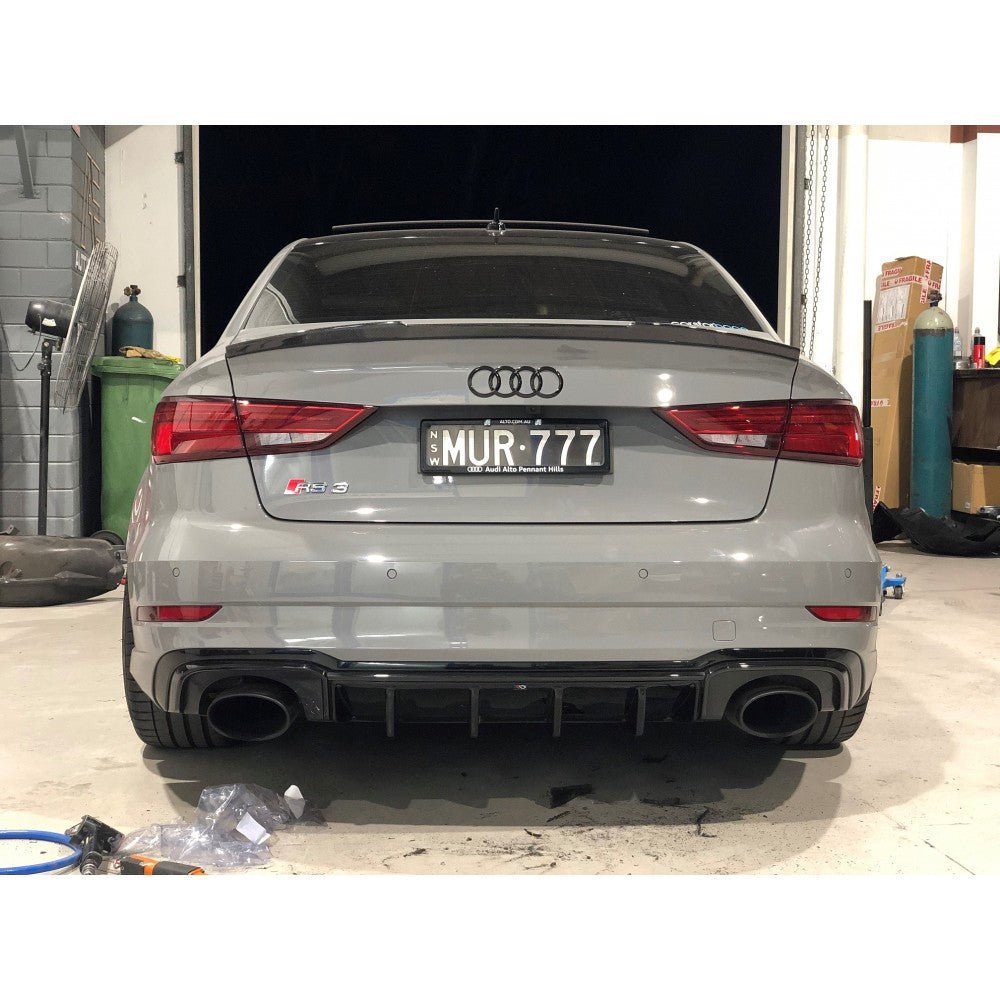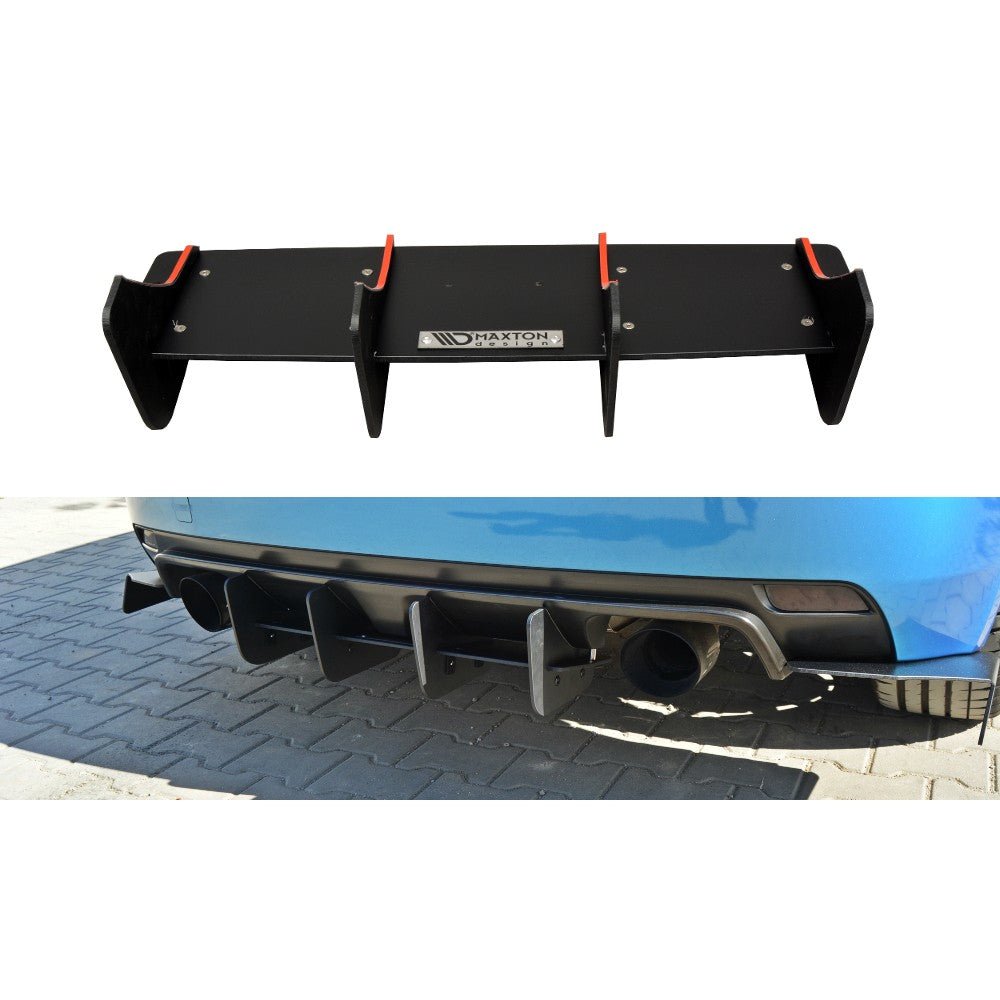
Saturday morning. You’ve just bolted on a fresh front splitter. The fitment is flush. The paint is matched. You step back with a coffee and think: that looks factory.
Fast forward six months. The Australian sun has been cooking your panels since November. A steep driveway scraped the lip. Road grime is caked into every seam. That “factory” finish is telling a different story.
Here’s what most people don’t consider until it’s too late: the material your kit is made from dictates exactly how you maintain it. Get it wrong and you’re chasing cracks, flaking paint and sagging panels.
When it comes to fibreglass vs polyurethane body kit maintenance, the two materials play by completely different rules.
Understanding the Base Materials
Is Polyurethane a Good Material for Car Parts?
Short answer: yes.
Polyurethane is a flexible material with built-in memory. It takes a hit, flexes and returns to shape. That’s why OEM manufacturers use poly for factory bumper covers.
For a daily driver that cops parking scrapes and road debris, poly handles the abuse. The trade-off: it’s heavier than fibreglass and demands specialised adhesion promoters before paint will stick. Skip the prep and you’ll be dealing with flaking paint within months.
Is FRP Good for Bodykits?
FRP (Fibreglass Reinforced Plastic) is the industry standard for custom, complex shapes. Lightweight, moulds into sharp body lines and takes paint beautifully. If you’re chasing that aggressive OEM+ aesthetic, FRP delivers. The catch: it’s rigid. It doesn’t flex on impact. It cracks. Read more about the pros and cons of fibreglass body kits here.
Fibreglass Body Kit Maintenance: Precision and Care
The Vulnerability Factor
Fibreglass is prone to spider webbing: fine stress cracks that spread from road vibration, temperature swings and minor scrapes. The material is rigid, so any flex transfers straight into the gel coat. Those hairline fractures add up fast.
Cleaning Protocols
-
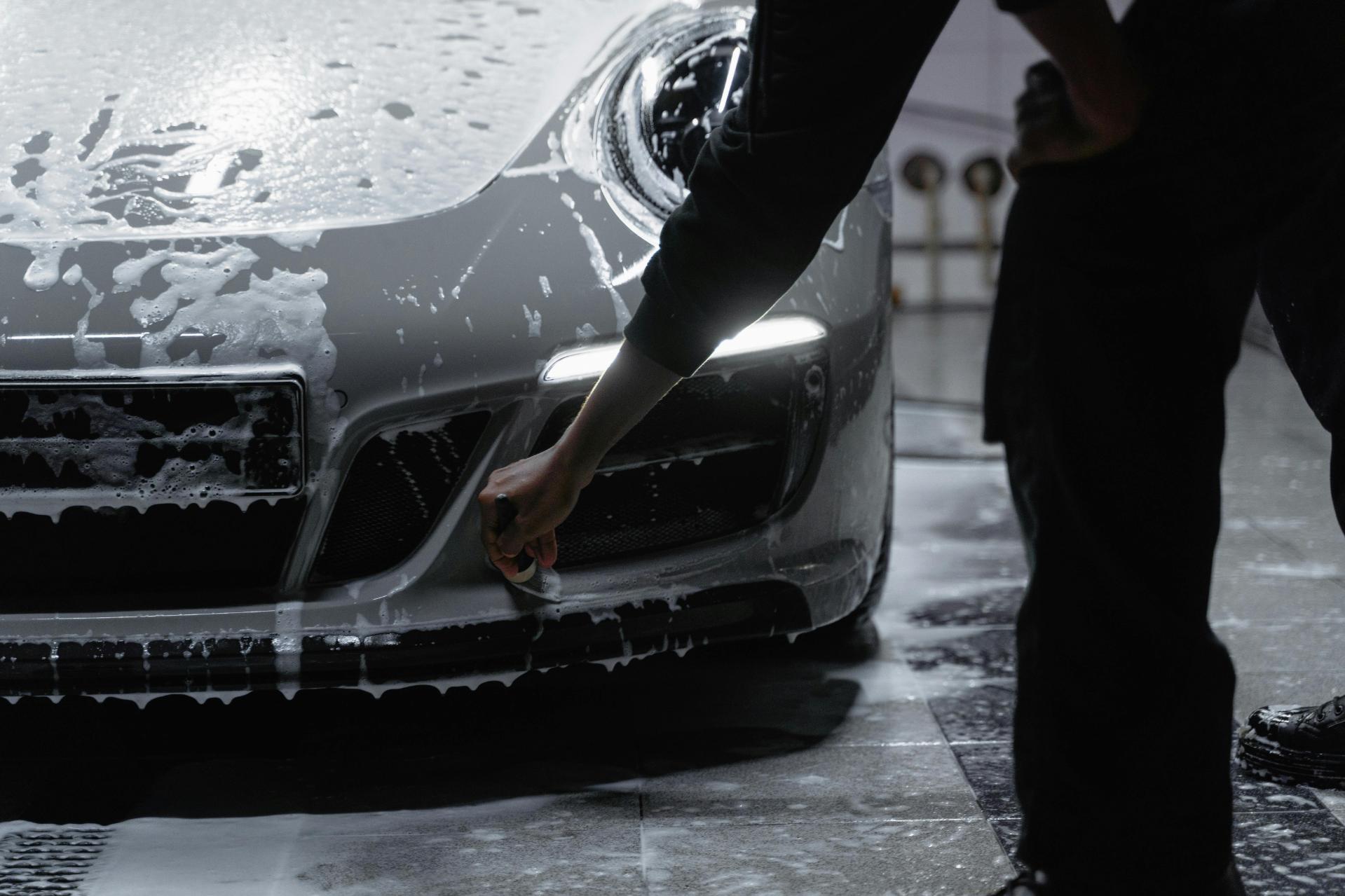
Non-abrasive car shampoo and a soft microfibre mitt only. Harsh chemicals scratch the gel coat.
-
Wax immediately after every wash. This seals the gel coat and blocks UV damage.
-
Keep high-pressure sprays away from panel edges. Water behind the kit weakens adhesive over time.
Repairability
This is where fibreglass earns points: it’s straightforward to repair. A cracked panel can be patched with resin and matting, sanded smooth and repainted. Most body shops know the drill.
Planning to handle it yourself? Here’s what to expect when installing your first body kit.
Polyurethane Body Kit Maintenance: Flexibility and Heat
Are Polyurethane Bumpers Good for Longevity?
For impact resistance, poly is in a league of its own. Minor bumps, steep driveways, car park nudges: the material absorbs the hit and bounces back. If your car sees daily use, this is the material that won’t let you down.
The Heat Warning
This one matters in Australia. Polyurethane softens in extreme heat. On a 40-degree day, a poorly mounted poly bumper will sag, especially along the lower edges. Check your mounting points and brackets regularly. This is why proper fitting matters.
Paint Adhesion
Poly maintenance starts before the kit goes on your car. Without specialised adhesion promoters, the paint will flake and peel as the material flexes. If the kit wasn’t prepped right from day one, every touch-up is a temporary fix.
Fibreglass vs Polyurethane: The Maintenance Showdown
UV Resistance
Australia’s UV index is brutal. Fibreglass gel coats yellow and turn chalky without regular waxing. Polyurethane’s polymer chains degrade under UV too, becoming brittle over time. UV protection is not optional. It’s essential.
Cleaning Effort
Fibreglass’ smoother gel coat sheds road grime easily. Poly’s textured surface traps dirt and brake dust in micro-pores, meaning you’ll scrub harder to keep it clean.
Long-term Costs
Fibreglass is cheaper to repair but breaks more often. Poly rarely breaks, but when it does, you’re looking at plastic welding or full replacement. Over time, costs even out. The smarter move: choose the right material for your build upfront.
Best Practices for Body Kit Aftercare in Australia
Before you invest, make sure your build is road-legal. Here’s what car mods are legal in Australia in 2026. Then follow these essentials:
-
Inspect mounting points and brackets monthly. Speed bumps and backroads vibrate hardware loose faster than you’d expect.
-
Invest in a ceramic coating or quality paint sealant. Blocks UV, prevents yellowing and makes washing easier. Worth every dollar.
-
Two-bucket wash method. Dry with a clean microfibre towel. No shortcuts.
Half the damage we see at our warehouse comes down to avoidable mistakes. Read our guide on mistakes to avoid when buying a body kit before you spend a cent.
Not sure your car even needs a kit? Check the signs your car is ready for a body kit upgrade.
Frequently Asked Questions
Is polyurethane better than fibreglass?
Depends on your build. Poly wins for daily drivers: it handles impacts and flexes instead of cracking. Fibreglass wins for show cars where sharp body lines and easy repairability are the priority.
Can you repair a cracked polyurethane bumper?
It’s tough. Fibreglass patches easily with resin and matting. Poly usually needs plastic welding, which can cost nearly as much as replacing the part. For a full breakdown, see our guide on choosing the right body kit material.
Does ABS plastic require less maintenance?
ABS sits in the middle. Good heat resistance. Cleans up easily. Doesn’t flex like poly, but far more forgiving than fibreglass. For most daily builds, ABS is the sweet spot.
The Bottom Line
The material sets the foundation. Your aftercare routine determines the finish.
Fibreglass rewards precision. Poly rewards resilience. Skip the maintenance on either and you’re throwing money away.
Need professional help getting things dialled in? Check out our body kit installation services in Sydney.
Every kit we stock is backed by our Fitment Guaranteed Program: if it doesn’t fit the listed model, we replace it or refund you. No hassle. No risk.
Get in touch with the AusBody Works team and let’s finish your build the right way.